Television delivered over the internet keeps changing quickly. The IPTV trends that matter most in 2026 are less about headline gadgets and more about practical improvements: better picture quality at lower bandwidth, steadier live streams, smarter apps and a clearer split between licensed and unlicensed services.
This article looks at the developments shaping how people watch IPTV at home this year, and what they mean for your choice of device, network and service. We avoid market statistics, which vary widely between sources; instead, we focus on changes you can see and use.
1. Free ad-supported channels keep growing
Free ad-supported streaming TV, often called FAST, offers scheduled channels with adverts at no cost. These services are now built into many smart TVs and streaming devices, and their lineups keep expanding. For many households, FAST covers casual background viewing, while paid services cover specific needs such as sport or international channels.
What it means for you: check what is already free on your TV before paying for overlapping content. Our guide to free IPTV explains the legitimate options.
2. More efficient codecs: HEVC everywhere, AV1 rising
HEVC (H.265) is now standard on mainstream streaming devices and TVs, and AV1 support is increasingly common on newer hardware. Both deliver similar picture quality to older codecs at lower bitrates, which helps HD and 4K streams play smoothly on ordinary broadband.
What it means for you: when buying a new stick or TV, look for hardware decoding of HEVC and, ideally, AV1. Our 4K IPTV guide explains why codecs matter.
3. Lower latency for live sport
Segment-based streaming has traditionally run behind broadcast TV. Newer low-latency techniques, such as low-latency HLS and chunked CMAF delivery, reduce that gap. Adoption varies between services and players, but the direction is clear: live sport over IP is getting closer to real time.
What it means for you: if you watch live sport and hate spoilers, latency is worth comparing during a trial.
4. Home networks catch up
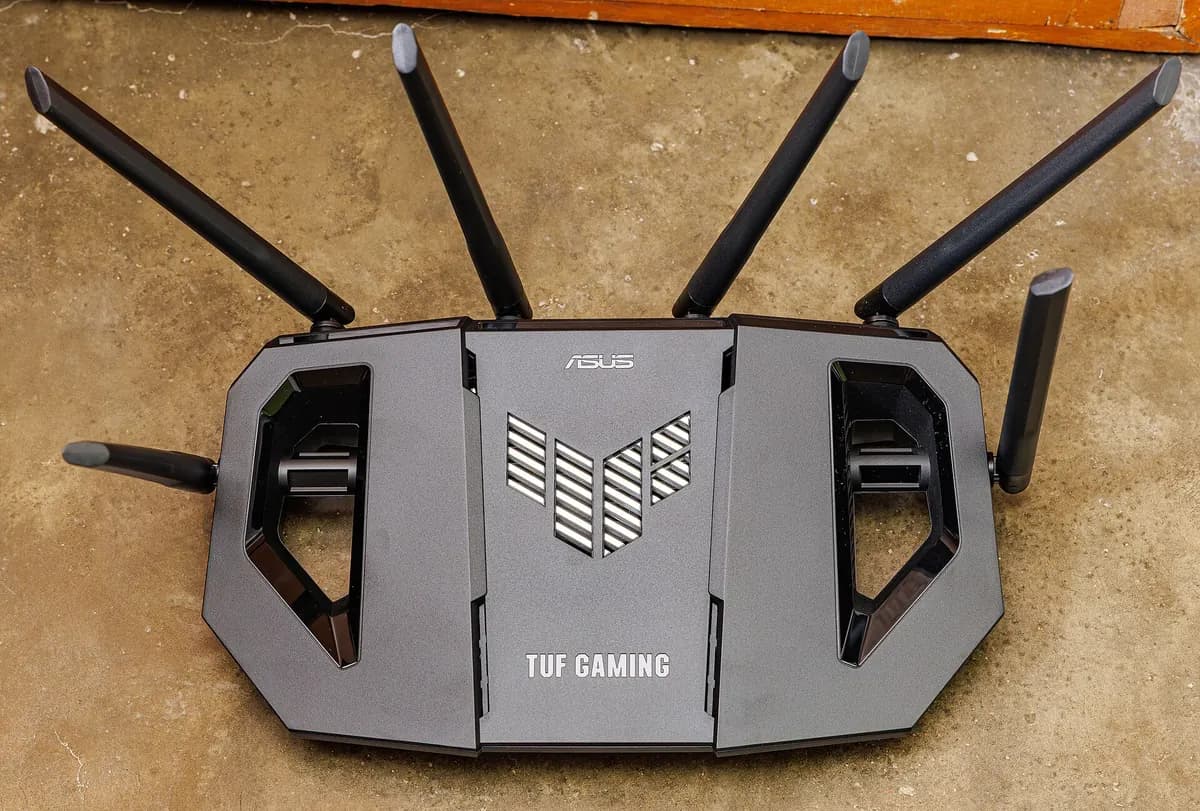
Wi-Fi 6 and 6E routers are now common, and Wi-Fi 7 equipment has begun to reach homes. Mesh systems make it easier to get a strong signal in every room. At the same time, more homes have fibre broadband with greater capacity.
What it means for you: a better router or a mesh system can do more for buffering than a new subscription. Ethernet to the main TV remains the most reliable option. See our guide to IPTV streaming quality.
5. Smarter player apps
IPTV players continue to add features once reserved for set-top boxes: multi-view for watching several channels, better catch-up integration, cloud-synced favourites and faster guides. Some apps and TVs also use on-device processing to improve upscaling and picture clarity.
What it means for you: your player app matters as much as your service. Our IPTV player guide compares the features worth having.
6. Streaming devices consolidate
Device makers are refreshing their ranges and operating systems. Google replaced its Chromecast line with the Google TV Streamer, and Amazon has introduced a new operating system on some Fire TV models. App availability can differ between old and new platforms.
What it means for you: before buying hardware, confirm that the player app you want is available on that exact model.
7. Tougher action against unlicensed streaming
Rights holders, broadcasters and authorities in many countries continue to act against unlicensed streaming, including blocking orders against servers and action against sellers of preloaded devices. Payment providers and app stores are also more active in removing services and apps linked to piracy.
What it means for you: transparency matters more than ever. Check who operates a service and read our guide on whether IPTV is legal.
8. Bundling and flexible plans
Viewers increasingly mix services and switch between them. Many providers respond with shorter plans, multi-device options and free trials, so people can pay only for what they need when they need it.
What it means for you: compare the monthly equivalent of each plan and choose the number of simultaneous devices carefully.
How to use these IPTV trends when buying
Trends are only useful if they inform real decisions. If you are buying a streaming device, prioritise hardware decoding of modern codecs and a fast, regularly updated operating system. If you are upgrading your network, start with router placement or a mesh system before paying for faster broadband. And if you are choosing a service, favour providers that publish clear prices and let you test before paying.
IPTV trends at a glance
| Trend | Practical impact |
|---|---|
| FAST growth | More free scheduled channels |
| HEVC and AV1 | Better quality at lower bandwidth |
| Low-latency streaming | Live sport closer to broadcast |
| Wi-Fi 6, 6E and 7 | More reliable multi-room streaming |
| Smarter players | Multi-view, better guides, sync |
| Platform changes | Check app availability per device |
| Anti-piracy action | Transparency and legality matter more |
| Flexible plans | Easier to test and switch |
Where Monster IPTV fits
Monster IPTV follows the flexible-plan approach: 1, 3, 6 or 12 months on 1 to 5 devices, with a free trial and setup help over WhatsApp or Telegram. See the pricing page for current plans.
Frequently asked questions
What is the biggest IPTV trend in 2026?
For most viewers, the most noticeable change is better quality at lower bandwidth, thanks to HEVC and AV1, combined with faster home Wi-Fi.
Should I wait for AV1 before buying a streaming device?
Not necessarily. HEVC remains widely used. If you are buying now, a device with AV1 support simply gives you more headroom for the future.
Is Wi-Fi 7 necessary for IPTV?
No. A well-placed Wi-Fi 6 router, a mesh system or Ethernet is enough for most homes. Wi-Fi 7 is helpful in busy households with many devices.
Will low-latency streaming become standard?
Adoption is growing, but it depends on each service and player supporting it. Compare latency during a trial if live events matter to you.
Are free ad-supported channels replacing paid IPTV?
They complement it. FAST channels cover a lot of casual viewing, while paid services remain the main option for specific sport, film or international content.
Conclusion
The key IPTV trends in 2026 are practical: efficient codecs, better home networks, lower-latency live streams, smarter apps, more free channels and closer scrutiny of unlicensed services. Choose devices with modern codec support, strengthen your home network, and favour transparent services you can test before paying.